
How 3D Intelligent Design Improves Mold Design Efficiency and Consistency
In custom injection mold manufacturing, mold design is one of the most important stages before steel cutting begins. A good mold design affects machining accuracy, assembly efficiency, trial results, molding stability, maintenance convenience, and the final plastic part quality.
At WIT MOLD, mold design is not only based on software operation. It also depends on engineering experience, tooling logic, material understanding, and practical manufacturing knowledge.
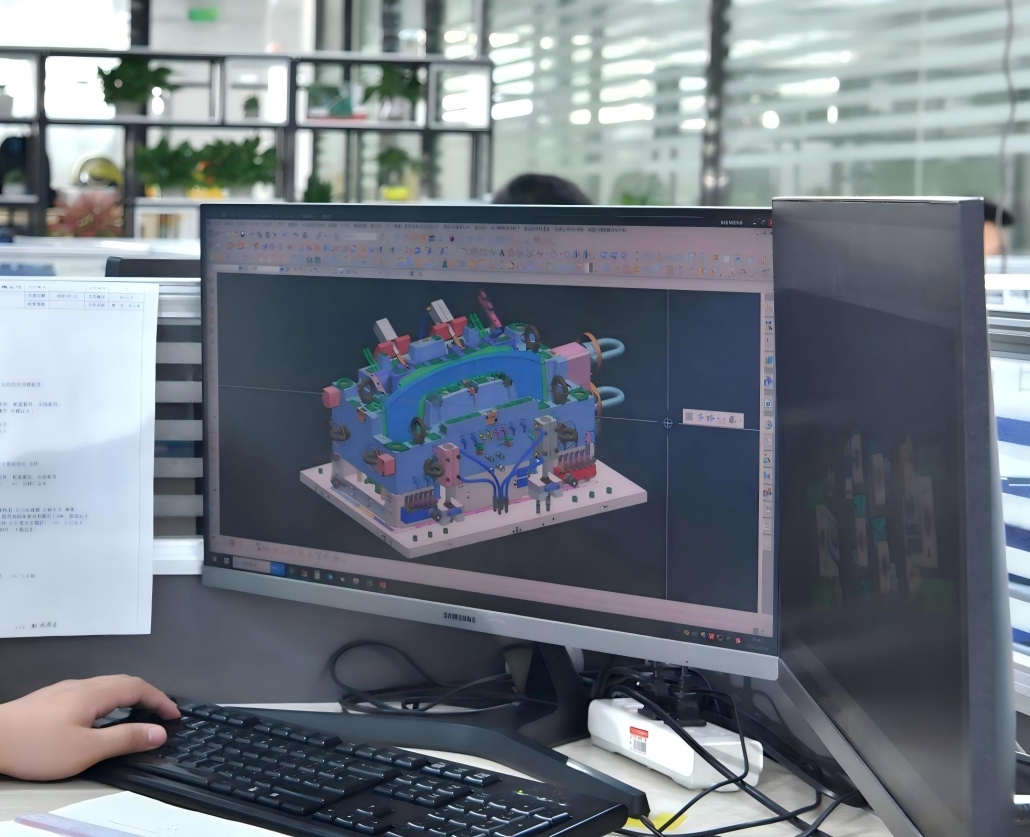
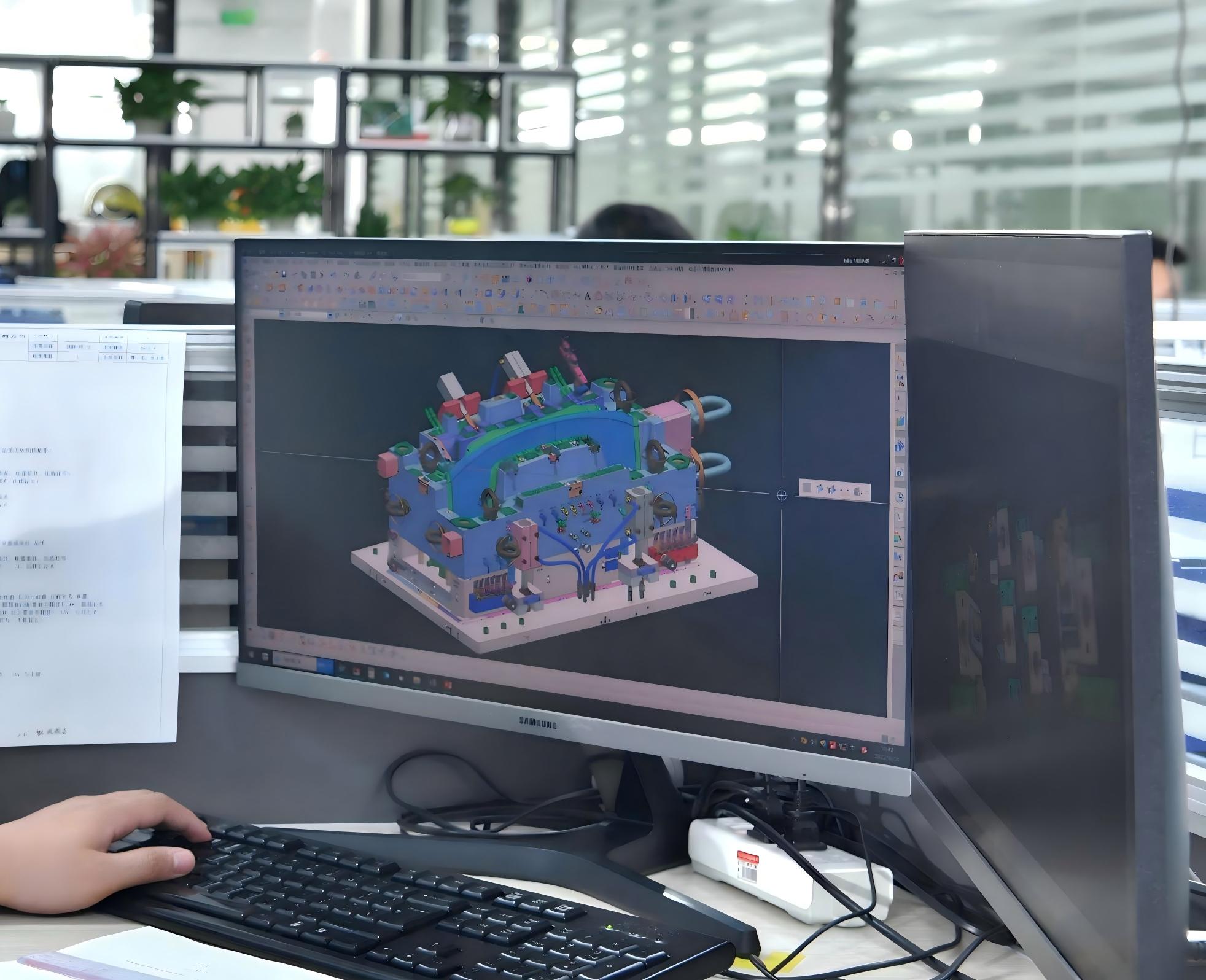
To improve both design efficiency and consistency, WIT MOLD uses a 3D intelligent design system in mold engineering work. This system helps engineers build more standardized mold structures, reduce repeated manual work, and improve coordination when several designers work on the same complex mold project.
Why Mold Design Efficiency Matters to Buyers
For B2B customers, design efficiency directly affects the whole project schedule. Before a mold can move into machining, the mold structure needs to be reviewed, confirmed, and prepared for production.
If the design stage is slow or inconsistent, the project may face:
- Longer lead time before machining starts
- Repeated drawing revisions
- BOM and documentation mistakes
- Miscommunication between design and manufacturing teams
- Delays in purchasing standard components
- More risk during mold assembly and trial
For overseas mold buyers, these risks are especially important because project timing often connects with product launch plans, assembly testing, sample approval, and mass production schedules.
By improving mold design workflow, WIT MOLD helps customers move projects forward more efficiently.
What a 3D Intelligent Design System Helps Improve
A 3D intelligent design system supports mold engineers by making design work more systematic. It does not replace experienced engineers, but it helps experienced engineers work faster and more accurately.
For injection mold projects, the system can support:
| Design Area | Improvement for Mold Projects |
|---|---|
| Standard structure design | Speeds up repeated tooling structure creation |
| Design consistency | Keeps mold design standards more unified |
| BOM generation | Reduces mistakes in component lists and documentation |
| Multi-designer cooperation | Helps several engineers follow the same design logic |
| Project documentation | Improves clarity for machining, purchasing, and assembly |
| Engineering workflow | Makes the design process more stable and traceable |
This is particularly valuable for complex injection molds that include multiple inserts, sliders, lifters, cooling circuits, hot runner layouts, hydraulic components, and precision fitting requirements.
Standardization Reduces Design Risk
In mold manufacturing, standardization does not mean every mold is the same. Each custom mold still needs to match the customer’s product design, plastic material, tolerance requirements, molding machine, and production volume.
However, standardization helps control engineering risk.
For example, a standardized design system can help engineers use more consistent methods for:
- Mold base structure
- Guide components
- Ejection layout
- Cooling channel arrangement
- Screw and component positioning
- Standard part selection
- Drawing format and project documentation
- BOM structure
This reduces the chance of design mistakes caused by repeated manual work or different personal design habits.
For customers, this means the mold project becomes more predictable and easier to control.
Better Consistency When Several Designers Work Together
Many complex mold projects cannot be completed efficiently by one designer alone. Large or difficult molds may require several engineers to work on different sections of the same project.
Without a consistent system, multi-designer cooperation can create problems. Different design habits, naming methods, component choices, and drawing standards may cause confusion during review, machining, purchasing, and assembly.
A 3D intelligent design system helps WIT MOLD maintain a more stable workflow when multiple engineers work on the same project. It helps keep design standards aligned and makes project data easier to manage.
This is important for complex mold projects such as:
- Automotive injection molds
- Medical plastic molds
- Household appliance molds
- High precision molds
- Two shot injection molds
- Unscrewing molds
- Insert molding tools
- High cavitation molds
- Gas assist molds
- Structural foam molds
For these projects, design consistency is not only about appearance in the CAD file. It affects real manufacturing performance.
Reducing BOM and Documentation Errors
BOM accuracy is very important in mold manufacturing. If the bill of materials contains mistakes, the project may face wrong component purchasing, missing parts, delayed assembly, or extra communication between departments.
A 3D intelligent design system helps reduce BOM and documentation errors by connecting design data with project documentation more systematically.
This can help improve:
- Standard component selection
- Purchased part accuracy
- Mold component tracking
- Drawing consistency
- Machining preparation
- Assembly communication
- Project handover between departments
For international customers, fewer documentation errors mean fewer project delays and a smoother tooling process.
Faster Design Does Not Mean Less Engineering Control
Speed is valuable, but mold design cannot rely only on speed. A fast design with poor engineering logic can create more problems later in machining, assembly, mold trial, and production.
At WIT MOLD, the purpose of 3D intelligent design is not to simplify engineering responsibility. The purpose is to help experienced mold engineers work more efficiently while keeping strict control over key tooling details.
Important engineering decisions still require human experience, including:
- Parting line selection
- Gate location
- Cooling strategy
- Slider and lifter design
- Steel selection
- Insert design
- Ejection method
- Mold maintenance access
- Risk evaluation for plastic part defects
Technology supports the engineer, but mold experience remains essential.
Estimated 50% Improvement in Design Efficiency
According to WIT MOLD’s current project experience, the use of a 3D intelligent design system has helped improve design efficiency by around 50%. This improvement comes not only from faster modeling, but also from a more stable and systematic workflow.
For customers, improved design efficiency can help shorten the early project stage and reduce unnecessary delays before manufacturing starts.
The value is especially clear when projects require:
- Complex mold structures
- Repeated standard design elements
- Large mold assemblies
- Multiple designers
- Accurate BOM and documentation
- Fast project communication
- Tight development schedules
From Design Efficiency to Mold Manufacturing Reliability
A better design system also supports downstream manufacturing. When the mold design is clear, consistent, and complete, machining, procurement, assembly, mold trial, and project management become easier to coordinate.
This helps reduce problems such as:
- Missing or incorrect components
- Confusing drawing revisions
- Delayed purchasing
- Assembly mismatch
- Repeated engineering clarification
- Longer trial preparation time
For WIT MOLD, design efficiency is not only an internal improvement. It supports the entire mold manufacturing process and helps deliver more reliable results to customers.
Building Better Custom Injection Mold Projects
WIT MOLD provides custom mold manufacturing support for different industries and applications, including automotive parts, medical and healthcare products, household appliances, telecommunication equipment, smart home products, mobile devices, wearable devices, and industrial plastic components.
Our mold capabilities include:
- Custom plastic injection molds
- High precision molds
- Two shot injection molds
- Unscrewing molds
- Insert molding tools
- High cavitation molds
- Gas assist molds
- Structural foam molds
- Thermoset molds
- BMC molds
- Die casting tools
By combining experienced engineers with a 3D intelligent design system, WIT MOLD can support customers with more efficient design review, more consistent tooling structures, and more reliable mold manufacturing preparation.
What Buyers Should Provide Before Mold Design
To help the engineering team complete mold design accurately, buyers are encouraged to provide complete project information before quotation and design confirmation.
Useful information includes:
- 2D drawings and 3D product files
- Plastic material and shrinkage requirements
- Product function and assembly requirements
- Critical tolerances
- Surface finish requirements
- Annual production volume
- Mold life expectation
- Preferred injection machine information
- Special structure requirements, such as sliders, lifters, inserts, two-shot molding, or unscrewing
- Existing samples or prototypes, if available
Complete information helps WIT MOLD create a mold design that matches the customer’s real production needs.
Work With WIT MOLD on Your Next Mold Design Project
A successful injection mold project starts long before machining. It starts with clear design logic, accurate engineering review, consistent structure planning, and reliable project documentation.
With the support of 3D intelligent design and experienced mold engineers, WIT MOLD continues to improve design efficiency, reduce project risks, and help customers build reliable molds for long-term production.